
First-time owners
The best parrots for beginners
By Sherwin, Mysher Aviary · breeding parrots since 2001 · updated September 2026
Quick answer
The best parrots for beginners are cockatiels, green-cheek conures and African lovebirds. They're small, gentle and easy to handle, need a manageable amount of daily attention, and hand-raised ones are already tame. Start with one of these, then move up to a larger parrot once you know the routine.
Our top picks for a first parrot
Ranked by how forgiving they are for a first-time owner, then by how quiet they are.
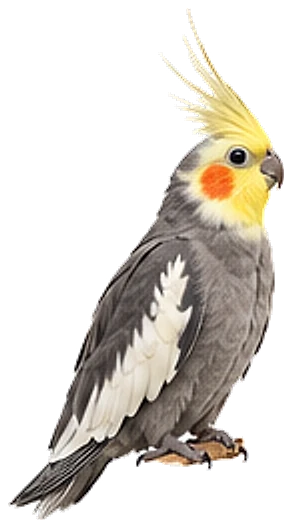 1Cockatiel3 ready nowSweet, easy-going and a great whistler. One of the best first birds you can get.Beginner-friendly Noise Talking
 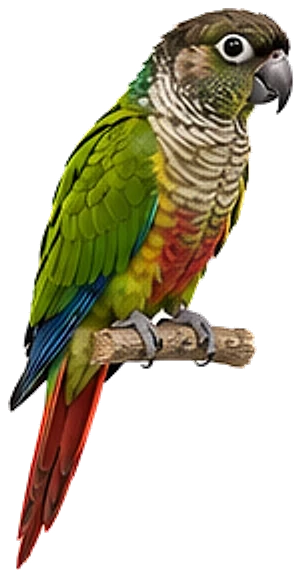 2Green-cheek ConureAsk about the next clutchBig personality in a small, quieter package. A favourite first parrot for condos.Beginner-friendly Noise Talking
 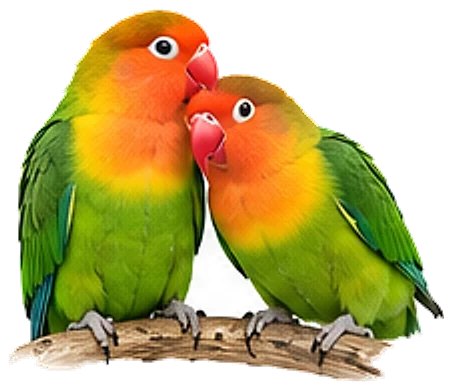 3African Lovebird1 pairSmall but full of personality. Pairs keep each other company; hand-raised singles bond with you.Beginner-friendly Noise Talking
 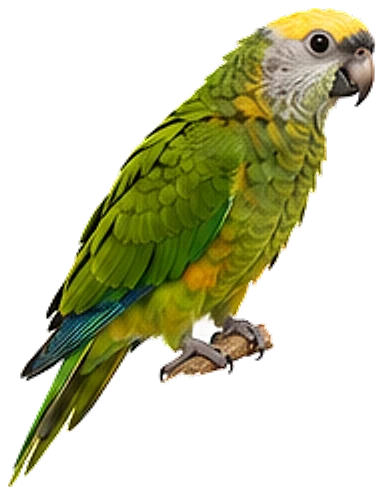 4Gold-capped ConureAsk about the next clutchFriendly and curious, with a slightly calmer streak than its sun conure cousins.Beginner-friendly Noise Talking
 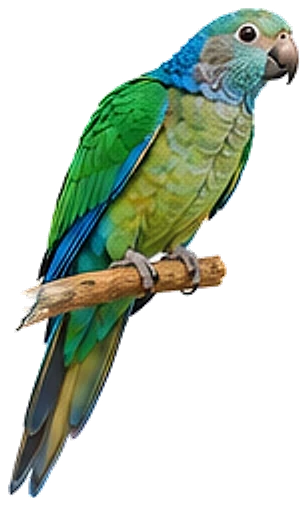 5St. Thomas ConureAsk about the next clutchSociable and playful — a lively companion that enjoys daily time out of the cage.Beginner-friendly Noise Talking
 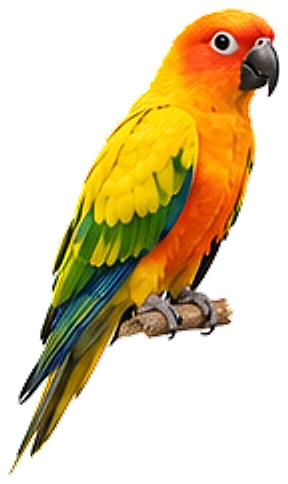 6Sun Conure1 ready nowSocial and affectionate — plan on a couple of hours of hang-out time every day.Beginner-friendly Noise Talking
What makes a parrot good for beginners
A good first parrot is small enough to handle confidently, forgiving of mistakes, and doesn't need hours of attention every day. Hand-raised birds make the biggest difference: they're used to people from the start, so they step up and bond instead of biting out of fear.
Big talkers like African greys and cuddle-hungry cockatoos are wonderful, but they're a much bigger commitment. We'll gladly walk you through them at a visit once you've had a smaller bird.
- Choose hand-raised, weaned birds
- Start with a smaller species
- Budget time every day for play and training
- Meet the bird before you decide
Compare every bird we raise
| Bird | Beginner | Noise | Talking | Size | Lifespan |
|---|---|---|---|---|---|
| Green-cheek Conure | About 26 cm | 15–25 years | |||
| Cockatiel | 30–33 cm | 15–25 years | |||
| African Lovebird | 15–18 cm | 10–15 years | |||
| Gold-capped Conure | About 30 cm | 25–30 years | |||
| St. Thomas Conure | About 25 cm | 20–30 years | |||
| Sun Conure | About 30 cm | 20–30 years | |||
| Jenday Conure | About 30 cm | 25–30 years | |||
| Eclectus Parrot | 35–42 cm | 30–50 years | |||
| Alexandrine Parakeet | 56–62 cm with tail | 25–40 years | |||
| White-bellied Caique | About 23 cm | 25–40 years | |||
| Indian Ringneck Parakeet | About 40 cm with tail | 25–30 years | |||
| African Grey Parrot | About 33 cm | 40–60 years | |||
| Blue-naped Parrot | About 31 cm | 25–30 years | |||
| Blue-backed Parrot | About 30 cm | 25–30 years | |||
| Umbrella Cockatoo | About 46 cm | 40–60+ years |
Common questions
Cockatiels, green-cheek conures and lovebirds are the easiest to start with: they're small, eat a simple diet of pellets or seed plus fresh greens, and bond quickly when hand-raised.
Meet them before you decide
Visit our DENR-licensed aviary in Baesa, Quezon City. No online payment, no pressure.